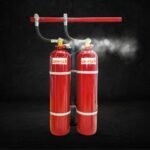
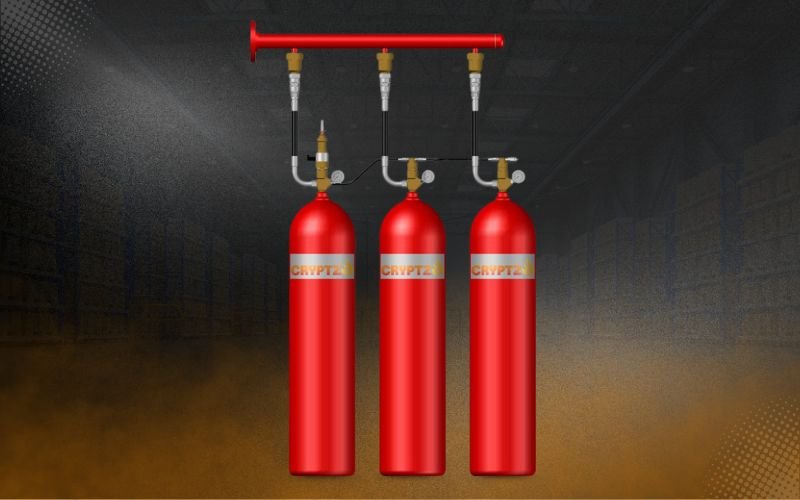
In industrial environments, where heavy machinery, flammable materials, and high-voltage equipment are commonplace, fire suppression systems play a vital role in ensuring safety. These systems are not just regulatory requirements but essential safety mechanisms designed to detect and extinguish fires before they can cause significant damage. Whether it’s a manufacturing plant, a chemical facility, or a data center, the presence of a reliable fire suppression system can be the difference between a minor incident and a catastrophic disaster.
The Importance of Fire Suppression Systems in Industrial Settings
Fire hazards are a constant threat in industrial sectors due to the nature of operations. From combustible dust in processing plants to flammable liquids in refineries, each element increases the risk of an uncontrolled fire. A fire suppression system acts as the first line of defense by detecting heat, smoke, or flames and deploying the appropriate extinguishing agent automatically.
Industrial fire suppression systems are engineered to respond swiftly, often faster than manual intervention, which is crucial in mitigating the risk to human life, property, and production continuity. The damage from even a small fire can result in long-term operational downtime, insurance claims, regulatory penalties, and, most importantly, injury or loss of life. Therefore, integrating a robust fire suppression system is not just about safety—it’s about business continuity and risk management.
How Fire Suppression Systems Work
Fire suppression systems are designed to detect and suppress fires using specialized agents. These systems may operate automatically or be manually activated, depending on the environment and the level of risk involved. There are various types of fire suppression systems available, each tailored to specific industrial requirements:
- Water-based systems (sprinklers)
- Gas-based systems (CO2, FM200, Inergen)
- Foam suppression systems
- Dry chemical and wet chemical systems
Each system type is designed for specific applications. For example, gas-based suppression systems are ideal for sensitive environments like server rooms and data centers, while foam suppression systems are suited for chemical storage or fuel facilities.
Applications of Fire Suppression Systems
Fire suppression systems have a wide range of applications across industries. Their role is critical not just for fire prevention but also for minimising damage and ensuring compliance with fire safety standards. Let’s take a closer look at where these systems are commonly used:
1. Manufacturing Facilities
In manufacturing, there is a constant presence of machinery, oils, lubricants, and other flammable materials. Industrial fire suppression systems protect production lines from potential fire hazards that could result in massive financial losses.
2. Warehouses and Storage Areas
Large volumes of inventory, often consisting of combustible materials, are stored in industrial warehouses. Fire suppression systems ensure that a fire does not spread rapidly through stored goods, which could otherwise result in significant economic damage.
3. Oil and Gas Industry
Highly flammable liquids and gases are used in refining, drilling, and storage facilities. Specialised foam-based fire suppression systems are commonly used to smother and cool flammable liquid fires quickly and effectively.
4. Chemical Plants
Chemical reactions and volatile compounds increase fire risks in these facilities. Here, both gas and dry chemical fire suppression systems are employed to handle fires without exacerbating the hazard.
5. Power Generation and Electrical Rooms
Electrical fires can be particularly challenging, as using water-based systems can worsen the situation. In these cases, clean agent fire suppression systems like FM200 or Novec 1230 are preferred due to their non-conductive and residue-free properties.
6. Data Centers and Server Rooms
Protecting sensitive data and electronic equipment is paramount. Clean agent systems that deploy inert gases without leaving any residue are used to safeguard valuable IT infrastructure.
7. Commercial Kitchens and Food Processing Units
Grease fires in kitchens can be dangerous and difficult to control with conventional extinguishing methods. Wet chemical fire suppression systems are specifically designed to tackle high-temperature grease fires effectively.
Regulatory Compliance and Insurance Requirements
In many jurisdictions, installing fire suppression systems in industrial buildings is not optional—it’s a regulatory mandate. Regulatory bodies such as the National Fire Protection Association (NFPA) and the Occupational Safety and Health Administration (OSHA) have laid out clear guidelines for fire safety in industrial environments.
Moreover, insurance providers often require businesses to have compliant industrial fire suppression systems to qualify for coverage or to reduce premium costs. Not installing these systems could leave a facility vulnerable to litigation and financial liabilities.
Benefits of Installing Fire Suppression Systems
The installation of automatic fire suppression systems provides multiple benefits:
- Rapid response: Automatic detection and suppression minimize fire spread.
- Minimal damage: Targeted extinguishing agents reduce damage to property and machinery.
- Uninterrupted operations: Quicker recovery and reduced downtime after incidents.
- Life safety: Protects workers, reducing injury or fatality risks.
- Cost savings: Lower insurance premiums and reduced damage repair costs..
Beyond the financial aspects, the real benefit lies in peace of mind. Employees feel safer in environments equipped with advanced fire suppression systems, which contributes to better morale and productivity.
Choosing the Right Fire Suppression System
Selecting the appropriate industrial fire suppression system requires a detailed assessment of the facility’s risk profile, the types of materials handled, and the potential fire sources. Working with certified professionals ensures that the system installed is compliant, effective, and tailored to your specific needs.
Additionally, regular inspection, testing, and maintenance of fire suppression systems are crucial for their effectiveness. A system that isn’t properly maintained may fail during an emergency, defeating its entire purpose.
Conclusion
In industrial environments where the stakes are high, fire suppression systems are not just safety tools—they are vital investments in the protection of people, property, and business operations. Their applications span across various industries, providing tailored solutions to unique fire risks. Whether it’s a chemical plant, a power station, or a warehouse, the need for a reliable, compliant, and well-maintained fire suppression system cannot be overstated.
As industries grow and operations become more complex, fire safety solutions must evolve accordingly. Choosing the right fire suppression system for industrial safety ensures not just regulatory compliance but long-term protection and resilience in the face of unexpected fire hazards.